

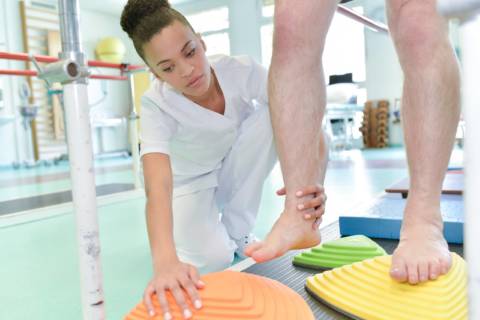
Young beautiful hispanic woman physiotherapist smiling confident standing at rehab clinic

Growth Projections of PTAs

The role of , the employment of PTAs is projected to grow by 19 percent from 2022 to 2032. This growth is driven by an aging population, increasing prevalence of chronic conditions and a greater emphasis on rehabilitation and long-term care. As the demand for physical therapy services expands, so too does the need for skilled PTAs across various healthcare settings. Outpatient clinics are among the most common workplaces for PTAs. In these settings, PTAs assist patients who are recovering from injuries, surgeries or managing chronic pain. They work under the supervision of physical therapists to implement treatment plans, which may include exercises, manual therapy and the use of modalities such as ultrasound or electrical stimulation. In hospitals, PTAs are integral to the acute care team, helping patients regain mobility and strength after surgery, illness or injury. This setting often involves working with patients who have complex medical conditions, requiring a high level of adaptability and skill. Rehabilitation centers focus on long-term recovery, particularly for patients with severe injuries, neurological conditions or after major surgeries. PTAs in these facilities play a critical role in the patient’s rehabilitation journey, helping foster progress over short or long stays, depending on the patient’s unique needs. Home health care allows PTAs to bring their skills directly to patients in their homes. This setting is particularly beneficial for patients who have mobility issues or prefer the comfort of receiving care at home. In skilled nursing facilities, PTAs assist elderly patients or those with chronic illnesses in maintaining or improving their functional abilities. A physical therapy assistant may also work with patients who are recovering after surgeries, falls or those with chronic conditions that effect mobility. Are you inspired to join this rapidly growing field? Here at the St. Louis College of Health Careers, we offer an exceptional designed to equip you with the skills and knowledge needed to succeed. here on our website or by giving us a call at 866-529-2070.

can physical therapy help arthritis?

How Can Physical Therapy Help with Arthritis

Coping with symptoms of arthritis can be difficult, especially when they prevent a person from participating fully in life. Treatments like physical therapy can help relieve pain and discomfort and increase mobility and physical function. Aside from managing symptoms, physical therapists can educate patients on specific exercises and techniques that enable them to move more freely with less pain. Arthritis reduces a person’s typical range of motion, which can often lead to excruciating pain while walking, running or exercising. Licensed physical therapists are trained healthcare professionals that examine, diagnose, treat or help reduce the severity or progression of medical conditions, including arthritis, that limit a person’s full range of motion. at St. Louis College of Health Career gain valuable experience in helping people cope with all types of mobility limiting conditions and recover from injuries. Earning a PTA Associate of Applied Science can also be a great way to get your foot in the door and earn valuable experience if you desire to move into more focused roles or pursue additional education. Arthritis occurs when one or more joints become tender or swollen, leading to joint pain and stiffness. The most common types of arthritis are osteoarthritis (the wearing and breaking down of joint cartilage) and rheumatoid arthritis (an immune system disease that attacks the joints). Arthritis typically occurs in older adults and symptoms tend to worsen with age. Common symptoms of arthritis include pain, swelling, redness, stiffness and loss of range of motion. Physical therapists that treat arthritis create individualized treatment plans for their patients in order to increase their mobility, strength, balance and coordination. The goal of physical therapy is to introduce methods and techniques that are intended to improve a person’s range of motion and reduce pain or stiffness caused by conditions such as arthritis. Physical therapy generally isn’t like chiropractic adjustments or massage therapy where a patient or customer may see their care provider periodically even if they don’t have a specific ailment, chronic pain condition or acute injury. A physical therapist’s goals vary from patient to patient but may include getting the patient to a point where they’re able to perform various stretches or mobility and strength enhancing exercises without the physical therapist present. The frequency of appointments will often be at the discretion of the physical therapist based on the severity of the patient’s condition and their ability to perform the exercises on their own. Most patients with arthritis will see their physical therapist periodically for follow-ups or to make updates to their treatment plan. It’s not always necessary to schedule a physical therapy appointment every week. The goal is to learn the exercises from a physical therapist and practice them at home. The more a patient with arthritis performs their recommended exercises correctly, the stronger their joints will become and the more they will see their symptoms improve. If you have an interest in working in the healthcare industry and you are passionate about helping others, you may want to consider a career in physical therapy. Completing the can equip students with the knowledge they need to apply and sit for the Federation of State Boards of Physical Therapy (FSBPT) exam. Passing the exam makes students eligible for licensure as a physical therapist assistant. to join our PTA program or learn more about our various associate and bachelor’s degrees by calling SLCHC at 866-529-2070.

becoming an occupational or physical therapy assistant at SLCHC

Physical Therapy Assistant or Occupational Therapy Assistant

Do you get satisfaction from helping people overcome challenges and reach their goals? Are you interested in a career in healthcare but you’re unsure which path to take? Do you prefer a job that allows you to move around instead of sitting behind a desk? If you’ve answered to these questions, you may want to consider becoming a physical therapy assistant (PTA) or an occupational therapy assistant (OTA). While these names sound similar, and there is some overlap between PTAs and OTAs, their fundamental goals are different. Physical therapists focus on restoring their patients’ mobility, range of motion, stability and strength, while occupational therapists focus more on fine tuning smaller, more specialized movements like dressing, feeding or using a toothbrush.   Physical therapy helps people recover from injuries or illnesses that limit their mobility and includes techniques like massage, hot or cold therapy, water therapy, exercise and stretching. A doctor may prescribe physical therapy as a non-invasive alternative to surgery or to aid in post-surgical recovery. Patients may also engage in physical therapy to heal injury-related pain or to build strength and stamina in their bodies to prevent future injuries. Let’s say a person who’s out of shape engages in strenuous physical activity and hurts their lower back. A physical therapist may evaluate their condition and develop a personalized care plan to alleviate the patient’s pain while strengthening their core. These exercises will be performed either at a physical therapy clinic or at home, depending on the patient’s preferences and mobility. The PTA may also teach the patient special exercises outside of therapy to accelerate the healing process.   When OTAs work with patients to perform daily tasks, they focus more on helping the person adapt to a disability or limited ranged of motion, rather than focusing solely on building or regaining strength. OT patients may have trouble performing the simplest activities, and the OTA can help them gain back their confidence and independence.   Many PTAs and OTAs work at hospitals where they help patients who have had traumatic brain injuries, strokes, orthopedic surgeries, spinal injuries and more. Other work settings include clinics, private homes, schools and nursing homes.   Both professions offer generous pay. However, OTAs generally have a wider range of responsibilities or career specializations, which allows them to earn more than PTAs. The median salary for was $61,000. With a projected 32 percent growth for PTAs and a 34 percent growth for OTAs within the next 10 years, these salaries are likely to significantly grow as demand for trained OTA and PTA professionals increases.   If you’re thinking about a career is physical therapy or occupational therapy, consider getting a degree from St. Louis College of Health Careers. We are an accredited higher education institution that has been helping students fulfill their educational endeavors for more than 40 years. Our challenging and relevant programs prepare you to work alongside experienced physical and occupational therapists. You will also be eligible to apply for the FSBPT and COTA certifications to become fully certified in either physical therapy or occupational therapy. If you’re interested in pursuing an engaging and fulfilling to learn more.