


Young doctor checking breathing machine while putting oxygen mask on patient

Respiratory Therapists Collaborate with Healthcare Professionals for Patient Care

A diagnosis is just the beginning of a long journey toward treatment and improvement. Along the way, patients receive comprehensive treatment from a myriad of healthcare professionals who all work together to restore their health and well-being. Respiratory therapists (RTs) are key healthcare professionals in this process, often participating in treatment, like performing pulmonary function tests or operating ventilators, at multiple steps along the way. In a clinical setting, respiratory therapists help patients manage their breathing problems with evidence-based techniques. In an allergy and asthma clinic, they may be performing the diagnosis themselves, but they can also help develop treatment plans for patients who have been diagnosed by primary care physicians or other healthcare specialists.   Interdisciplinary rounds are an integral part of multidisciplinary care. Various healthcare professionals examine patients together to develop a comprehensive care plan that incorporates multiple fields into one treatment plan. By combining expertise and working together, healthcare professionals can enhance their patient’s quality of care from all angles. During interdisciplinary rounds, respiratory therapists may provide updates on the patient’s respiratory status, including lung function, oxygenation and ventilation. RTs are equipped to provide insights into the patient’s ability to maintain a patent (unobstructed) airway and advise on interventions to address any airway-related issues with physicians, nurses, pulmonologists and other healthcare professionals. By contributing their expertise in respiratory care, they can help develop and implement an effective, integrated care plan. RTs are responsible for ensuring the patient’s ventilator support equipment, chest physiotherapy equipment and airway management tools are working properly. This may include management of a variety of devices, from simple nasal cannulas to more complex devices such as capnographs and nebulizers. You can learn more about which medical devices respiratory therapists are responsible for in our blog on the topic .   Respiratory therapists and pulmonologists frequently work together to curate a personalized, effective treatment for patients with breathing problems. While they share a similar focus, the two professions have a unique set of duties. Put simply, pulmonologists are doctors who focus on diagnosing and developing treatment plans, while respiratory therapists come after in the treatment pipeline with a focus on providing the therapies, managing symptoms and educating patients about breathing devices and exercises. Pulmonologists are primarily utilized in complex cases, while respiratory therapists work with a range of breathing conditions that vary in severity. Moreover, because the conditions pulmonologists see are more serious in nature, they are usually confined to internal medicine departments in hospitals. Although respiratory therapists are most often employed in hospital and critical care settings, the role has recently expanded into as well as clinics and community health centers. Most respiratory therapists work most closely with nurses and pulmonologists, but opportunities are becoming available for collaboration outside of a hospital setting. This can be especially useful if you’re hoping to specialize in home health or geriatric care – specializations St. Louis College of Health Career offers reputable programs for.   Respiratory therapy is rapidly growing in demand and job prospects, with the field projected to grow by . At St. Louis College of Health Careers, our respiratory therapy program thoroughly prepares our students, providing the knowledge they need to sit for the NBRC board exam and perform well at their jobs from the get-go. Our RT degree will help you understand how to optimally diagnose, plan and treat patients with breathing problems – as well as how to collaborate with other healthcare professionals effectively to ensure your patients receive high-quality care. Get started with an in-depth yet flexible education by calling 866-529-2070 today to learn more about our .

A female nurse and an child are in the medical room and both are giving a thumbs up

Is Nursing or Respiratory Therapy More Challenging

Nurses and respiratory therapists work together in critical care. Both professionals must be capable of rapid and informed decision-making, as they need to respond quickly to emergencies and make crucial decisions regarding the best course of action for the patient’s health. While they have similarities, nursing and respiratory therapy ultimately offer starkly different paths for prospective students, especially in their educational requirements. Education options for nurses, which range from – equips individuals with the skills to diagnose, treat and manage patients with respiratory conditions or those in active respiratory distress. Ultimately, both programs will be rigorous – with one offering a broad medical education and the other focused on a specific subset of patient care. Because many nurses care for a more general population of patients, they need to have a deep understanding of multiple medical specialties, be capable of filling a variety of roles in healthcare settings and be able to adapt quickly to changing situations. A patient’s life may depend on their nurse’s critical thinking skills, as nurses are relied upon to assess patients, identify any number of potential complications and implement appropriate interventions on a case-by-case basis. Many of the challenges of being a nurse also apply to respiratory therapists, but while nurses need to be knowledgeable of countless conditions, the latter needs to be an expert specifically in cardiopulmonary issues, particularly lung function. Respiratory therapists need to possess in-depth knowledge of the respiratory system, lung diseases and various treatment modalities. Understanding complex pulmonary conditions and staying updated on advancements in respiratory care is crucial to helping patients breathe. Respiratory therapists often work with critically ill patients who may require life-saving interventions, such as mechanical ventilation. The responsibility of managing ventilators and adjusting settings to optimize patient outcomes is a significant challenge because, if not done correctly, patients could easily lose their lives. A thorough education will prepare you for whichever medical career you choose. Start your educational journey today with a school that understands the necessity of a comprehensive yet flexible education. St. Louis College of Health Careers’ degrees are tailored to give students the expertise they need to diagnose a patient’s condition, plan and implement a treatment plan and evaluate the results. We’ll teach the skills and knowledge you need to pass relevant certification exams and enter your chosen profession. Call 866-529-2070 today to learn more about our course offerings and start your application.

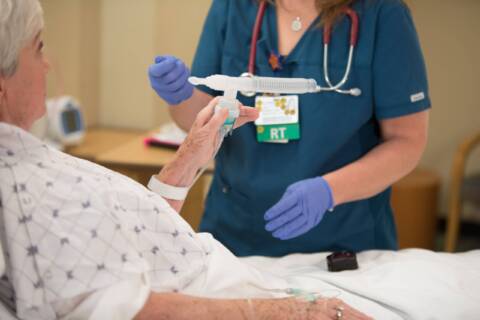
respiratory therapist working with patient in St. Louis

Respiratory Therapist Versus Respiratory Technician

If you’re considering a career in healthcare but aren’t sure which path to pursue, respiratory care may be worth exploring. Respiratory care is a specialized area of healthcare that focuses on the evaluation, treatment and management of patients with respiratory disorders and conditions, such as asthma, pneumonia or cystic fibrosis. There are two distinct positions within the field of respiratory therapy: respiratory therapist and respiratory technician. While these roles share similarities, they also have key differences in terms of duties, salary and education requirements. When choosing between these career paths, consider your interests, educational goals and desired level of responsibility. Whether you decide to become a respiratory therapist or a respiratory technician, rest assured you will be making a meaningful contribution to improving the respiratory health and quality of life for patients. Respiratory therapists fulfill an important function by providing essential support to individuals experiencing respiratory challenges. Their main tasks encompass evaluating patients, performing diagnostic assessments, formulating and executing treatment strategies, administering prescribed medications and overseeing patient advancement. Collaboration with physicians and allied healthcare personnel is integral to a respiratory therapist’s practice. Moreover, respiratory therapy professionals are trained to respond to urgent situations, including interventions like intubation assistance and ventilator management. Respiratory technicians, also known as respiratory care practitioners or respiratory therapy technicians, work under the supervision of a respiratory therapist or physician. The role focuses more on assisting in the delivery of respiratory treatments and therapies rather than designing treatment plans. Respiratory technicians perform tasks such as administering oxygen, monitoring patient vital signs, conducting basic lung function tests and ensuring the proper functioning of respiratory equipment. They also provide patient education on respiratory care techniques and assist with routine respiratory procedures. Because of their greater level of responsibility, respiratory therapists typically earn a higher income compared to respiratory technicians. The mean annual wage for respiratory therapists in the United States is around $74,310, according to the . Keep in mind, salaries can vary depending on factors such as education, experience, geographic location and the healthcare setting in which one works. Respiratory technicians generally earn a lower salary than respiratory therapists, with a median annual wage of approximately . To become a respiratory therapist, a minimum of an associate degree is required. However, many respiratory therapy programs now offer as well. These programs typically include coursework in anatomy, physiology, pharmacology, patient assessment, respiratory care procedures and clinical rotations. After completing the degree program, aspiring respiratory therapists must obtain a license or certification, which involves passing a national examination. As an SLCHC graduate, you’re eligible to apply for and earn the Registered Respiratory Therapist (RRT) credential upon completing our RT or bachelor’s degree program. Aspiring respiratory technicians can enter the field with a postsecondary certificate or an associate degree in respiratory care. These programs provide training in the foundational knowledge and skills required to assist respiratory therapists in patient care. Coursework generally covers topics like respiratory therapy fundamentals, patient monitoring, medical terminology and basic clinical procedures. While certification is not mandatory for respiratory technicians, obtaining certification, such as the Registered Respiratory Therapist (RRT) credential, can enhance employment prospects and professional growth. Are you drawn to serving others in a healthcare setting, but going to university for four to six years just isn’t an option? At SLCHC, we offer fully accredited RT programs that combine hands-on practice with academic coursework to quickly prepare you for a rewarding career. We understand that pursuing a degree while managing other responsibilities can be challenging. That’s why our are designed to be flexible, with both full-time and part-time options available. We strive to provide a supportive learning environment that helps you balance your education with other commitments. To begin your healthcare education, call us today at 866-529-2070.

pulmonologist sits and reads xrays

The Difference Between a Pulmonologist and a Respiratory Therapist

If you enjoy helping people and don’t mind working long shifts, a career in the ever-expanding health care field may be an attractive prospect for you. You can make yourself invaluable to many health care employers by obtaining an education in pulmonology or respiratory therapy. While both pulmonologists and respiratory therapists treat patients with a wide range of respiratory conditions, there are several differences between these two professions. A pulmonologist is a doctor specializing in diagnosing and treating respiratory system diseases. The respiratory system includes organs like your lungs, windpipe, throat and other parts of your body responsible for breathing. While most acute and short-lived diseases like the flu or pneumonia can be treated by regular doctors, patients with persistent cardiopulmonary issues are often referred to a pulmonologist. Pulmonologists can diagnose and treat many kinds of serious, complicated and often chronic lung diseases, like cystic fibrosis, asthma, emphysema, lung cancer, tuberculosis, pneumonia and more. Pulmonologists work in a variety of medical settings, from hospitals to private and group practices. They can also be found working in sleep labs where they aide patients with sleep disorders. Respiratory therapists are certified medical professionals that assist with the treatment and diagnosis of respiratory system diseases. RTs usually work alongside physicians, such as pulmonologists, and other medical doctors, physician assistants and nurses. They usually perform hands-on tasks to help patients who are struggling to breathe. A respiratory therapist’s job duties might include things like putting patients on ventilators, administering medications, performing diagnostic tests and examining patients with breathing difficulties and more. Like pulmonologists, respiratory therapists work in different hospital settings, such as emergency rooms and intensive care units. They also find employment in outpatient facilities like sleep labs. Both pulmonologists and respiratory therapists provide medical care to patients with breathing conditions. However, pulmonologists have more education, expertise and authority in treating patients compared to respiratory therapists. They also tend to have much higher salaries than respiratory therapists. Becoming a pulmonologist is a lengthy and expensive process that can take nearly a decade and involves both general and specialized training. Pulmonologists generally need to earn a four-year pre-med bachelor’s degree and a four-year medical school degree, followed by a three- to seven-year residency or internship. Becoming a respiratory therapist is much faster and usually takes four to eight semesters depending on the type of degree you’re pursuing. At an institution that offers several semesters each year, like St. Louis College of Health Careers, those degrees can be completed at an accelerated pace. Generally, respiratory therapists only need an associate degree to work with patients, but RTs with a bachelor’s degree are often favored since they have more education and expertise compared to their two-year associate degree counterparts. While a challenging and lengthy educational journey precedes becoming a pulmonologist, the salary is commensurate to both the time and monetary investment. As of December 2021, a doctor specializing in pulmonary medicine . However, these numbers can vary depending on location, certifications, years practiced and any additional skills or specialties the doctor possesses. The average annual salary for . Respiratory therapists are in high demand, with RT jobs expected to increase 23 percent by 2030. Pursuing a degree in respiratory therapy allows you to begin your career and earn a good paycheck far more quickly than someone who is pursuing a medical degree with a pulmonology focus. If you’re interested in becoming a respiratory therapist, a degree from the St. Louis College of Health Careers may help propel you toward a stable and rewarding career. We offer both in respiratory therapy to help you fulfill your professional goals. Our academically challenging and comprehensive programs can be completed entirely online so you don’t have to sacrifice valuable work time to attend on-campus classes. You can learn more about our programs by on our website.