A caucasion male licensed practical nurse

LPNs Ensure Patient Safety and Infection Control in Healthcare Settings

Healthcare settings are crucial for providing effective treatments to sick and recovering patients, but they can also be without proper sanitation measures, especially for susceptible individuals with compromised immune systems. The high volume of sick individuals with contagious illnesses concentrated in hospitals makes them high-risk environments for the spread of viruses and bacteria. Licensed practical nurses (LPNs) are essential in preventing the spread of illnesses in these potentially hazardous settings. Because in-patient nurses interact with their patients multiple times every day, they’re responsible for enacting robust safety measures to protect vulnerable individuals from infection.   Bacteria and viruses can remain suspended in the air, elevating the exposure risk of patients, healthcare personnel and visitors, especially in confined healthcare settings. carriers of infections. An indirect microorganism journey, such as a visitor touching a healthcare professional who then goes on to contact vulnerable patients, can have potentially devastating effects on patient safety. dispelled while coughing, sneezing, talking etc. can quickly settle onto nearby surfaces. Laundry, bed rails, sinks, furniture and doorknobs can be fast vehicles for the spread of infections. of all nosocomial bloodstream infections – also known as healthcare-associated infections.   Because of the close contact relationship LPNs have with their patients, your education will include focused training on the myriad of health risks susceptible patients face in healthcare settings and how to protect them. As patients’ first line of defense against infections, LPNs must adhere to strict sanitation protocols, including thorough hand hygiene. Thoroughly washing your hands before and after patient contact or after handling contaminated items is crucial to protect the well-being of other patients and yourself. Personal Protective Equipment (PPE) – gloves, masks, gowns and eyewear – are another key component of LPNs’ duty to their patients. Their ability to assess when PPE is required, and which type is needed to lower the possibility of patient infection, is an essential aspect of their day-to-day job. LPNs need to ensure a patient’s room is safe to reside in. Regularly cleaning, disinfecting and sterilizing equipment and surfaces is integral to maintaining a clean environment for patients to effectively recover. You also need to stay vigilant about how medical devices – such as catheters – are stored and utilized, as improper handling can increase your patient’s risk of nosocomial infection. As an LPN, you’ll be required to educate patients and their families about hand hygiene and PPE as well as how to recognize signs of infections in themselves. Even a well-meaning family member can infect the patient if they don’t adopt proper safety measures.   At St. Louis College, we provide a rigorous education that thoroughly prepares students to become LPNs, and LPNs to become RNs (registered nurses). With our , you can become eligible for higher and better-paying managerial positions with an advanced degree. Our experienced staff and rigorous curriculum – including hands-on clinical training – will enhance your diagnostic and implementation abilities, giving you the confidence to perform optimally in your duties. To learn more about how you can position yourself in your dream healthcare career, or call 866-529-2070 today.
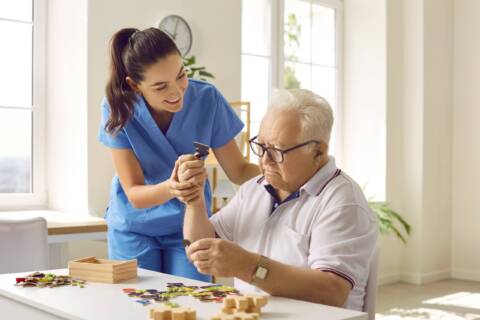
geriatric care professional is assisting an elderly patient in St. Louis

How Does Geriatric Care Differ From Other Healthcare Professions

Geriatric care professionals are trained individuals who provide specialized care and support to the elderly population. They work in various facilities that cater to the unique needs of older adults, such as nursing homes, assisted living facilities, hospices, home care agencies and hospitals. They provide in-home assistance, medical monitoring and companionship for seniors who wish to age in place. Unlike general nursing or other healthcare roles, geriatric care requires a deep understanding of the physiological, psychological and social changes that occur with aging specifically. Professionals in this field will focus on improving the health and well-being of older adults, acquiring specialized knowledge about diseases, conditions and syndromes prevalent among older patients. Those in geriatric benefit from a holistic approach to care that nurtures not just the physical health of older patients but also their mental, emotional and social well-being. The goal of geriatric care can be both interventional and preventative. Professionals in this field work hard to help older adults maintain their independence and functionality by proactively managing their health. Another contrast with other healthcare professions is patient interactions. While other nurses mostly have short-term relationships with patients, especially those in critical care settings, geriatric care nurses often form long-term relationships with patients, as many elderly individuals require ongoing support and comfort for chronic conditions as they reach the end of their lives. The average annual salary for a geriatric nurse is . While only a general nursing degree is required to work in geriatric care, specialized certifications or additional education in geriatric care can enhance your skills and career prospects. While nurses can receive specialized training for geriatric nursing, there are some innate personalities and temperament characteristics that make some nurses particularly well suited to geriatric care. These positions can feel tedious and may require a higher degree of constant vigilance compared to other types of nursing (especially in memory care settings or with patients who have a high fall risk or incontinence). Compassion and real empathy for the elderly can be extremely beneficial for nurses in these settings. The emotional and physical drain of these positions is one of the reasons geriatric nurses are on the higher end of the compensation spectrum for nursing. St. Louis College of Health Careers will thoroughly train you for a career in geriatric care as well as prepare you for a career in other healthcare settings. Our rigorous and insightful course offerings are designed to instill critical thinking and reasoning skills so you can provide personalized patient care in any environment. or call 866-529-2070 today to learn more about our programs and how you can open the doors to your desired career path today.

An african american female travel nurse is in the medical office and holding a clip board

Travel for Work in the Healthcare Industry

The allure of combining work with travel has long enticed healthcare professionals to explore opportunities that allow them to experience new places while earning a living. While travel nursing has been a popular option since the 1980s, it’s not the only healthcare job that allows for regular traveling. From physical therapy to radiologic technology, the travel healthcare industry offers a wealth of opportunities for professionals seeking new experiences, career growth and meaningful patient interactions. A travel healthcare job is a temporary position in the healthcare industry that requires professionals to work in different locations for a limited period. These jobs are typically filled by travel nurses, allied health professionals and other healthcare specialists who are willing to travel and fill vital but vacant positions in various healthcare facilities such as hospitals, clinics, nursing homes and other healthcare settings. Assignments can last anywhere from a few weeks to several months depending on the facility’s needs and the healthcare professional’s preferences. Travel healthcare jobs are in high demand with so many medical centers and facilities facing worker shortfalls, and they often come with competitive compensation, travel allowances and other benefits to attract skilled professionals to temporarily fill staffing needs in healthcare organizations. At , we offer academically rigorous and practical programs that can pave the way to a successful career in the healthcare industry. Our is dedicated to helping graduates find placement in their fields by providing personalized attention and valuable resources, such as resume building and mock interviewing. To explore your future in healthcare and fulfill your career aspirations, call us at 866-529-2070 or .

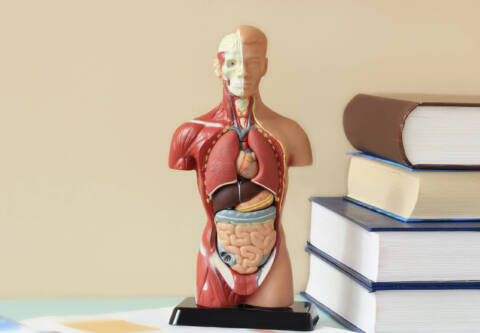
human biology in a class

Understanding Human Biology is Important for Healthcare Careers

Understanding human biology is fundamental to having a successful healthcare career. Whether you aspire to become a doctor, nurse, physical therapist or medical assistant, you won’t be able to earn a degree without showing competency in your chosen field. Having at least a basic knowledge of human biology may help you more easily grasp diagnostic and treatment concepts that will be relevant in your education and ultimately enable you to make more informed decisions that keep your patients safe. The good news is you don’t have to major in human biology if you want to work in the healthcare field, especially if you’re not particularly interested in spending the better part of a decade pursuing a doctorate. For instance, if your goal is to become a physical therapy assistant, you can enroll in an associate-degree PTA program with coursework focused on aspects of human biology relevant to your profession, such as human anatomy and physiology. Human biology is a branch of biology that is focused on the scientific study of the human organism. Studying human biology sheds light on how our bodies work, how they’ve evolved over time and how we interact with our physical environment. Some medical professionals, especially doctors, need to have a deep and comprehensive understanding of human biology, however those pursuing more focused roles in the medical field like phlebotomy or physical and occupational therapy usually only need to focus on certain aspects of the discipline relevant to their profession. All of these systems work together to ensure the human body works correctly and keeps various diseases and medical conditions at bay. A respiratory therapist works under the supervision of a doctor and treats patients who are having trouble breathing. Their duties include giving patients oxygen, managing ventilators and administering medication to the lungs. To become a respiratory therapist, students must learn different aspects of human biology, with an emphasis on the respiratory and cardiovascular systems. A phlebotomist’s primary job is to draw blood from patients and send it off to medical labs for testing. Most phlebotomy programs include coursework which focuses on exploring the lymphatic and cardiovascular systems. A physical therapy assistant works under the supervision of a physical therapist and treats patients through exercise, massage and stretching. To become a physical therapy assistant, you’ll need to have an in-depth understanding of the skeletal and muscular systems. An occupational therapy assistant works under the supervision of an occupational therapist helping patients regain or develop the ability to perform everyday tasks, such as eating, getting dressed and bathing. Similar to a physical therapy assistant, an occupational therapy assistant must study the skeletal and muscular systems, but also the nervous system. If you’re looking to leap into the ever-growing and ever-evolving field of healthcare, but you’re not sure which career is right for you, consider studying at the St. Louis College of Health Careers. We offer a variety of accredited and flexible that allow you to work at your own pace and gain valuable hands-on experience without spending years in school. Browse the opportunities we offer and reach out to us with any questions you may have by calling 866-529-2070.