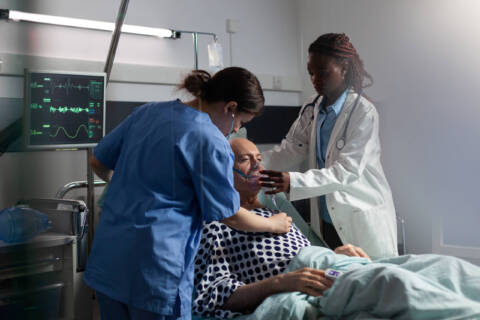

Young doctor checking breathing machine while putting oxygen mask on patient

Respiratory Therapists Collaborate with Healthcare Professionals for Patient Care

A diagnosis is just the beginning of a long journey toward treatment and improvement. Along the way, patients receive comprehensive treatment from a myriad of healthcare professionals who all work together to restore their health and well-being. Respiratory therapists (RTs) are key healthcare professionals in this process, often participating in treatment, like performing pulmonary function tests or operating ventilators, at multiple steps along the way. In a clinical setting, respiratory therapists help patients manage their breathing problems with evidence-based techniques. In an allergy and asthma clinic, they may be performing the diagnosis themselves, but they can also help develop treatment plans for patients who have been diagnosed by primary care physicians or other healthcare specialists.   Interdisciplinary rounds are an integral part of multidisciplinary care. Various healthcare professionals examine patients together to develop a comprehensive care plan that incorporates multiple fields into one treatment plan. By combining expertise and working together, healthcare professionals can enhance their patient’s quality of care from all angles. During interdisciplinary rounds, respiratory therapists may provide updates on the patient’s respiratory status, including lung function, oxygenation and ventilation. RTs are equipped to provide insights into the patient’s ability to maintain a patent (unobstructed) airway and advise on interventions to address any airway-related issues with physicians, nurses, pulmonologists and other healthcare professionals. By contributing their expertise in respiratory care, they can help develop and implement an effective, integrated care plan. RTs are responsible for ensuring the patient’s ventilator support equipment, chest physiotherapy equipment and airway management tools are working properly. This may include management of a variety of devices, from simple nasal cannulas to more complex devices such as capnographs and nebulizers. You can learn more about which medical devices respiratory therapists are responsible for in our blog on the topic .   Respiratory therapists and pulmonologists frequently work together to curate a personalized, effective treatment for patients with breathing problems. While they share a similar focus, the two professions have a unique set of duties. Put simply, pulmonologists are doctors who focus on diagnosing and developing treatment plans, while respiratory therapists come after in the treatment pipeline with a focus on providing the therapies, managing symptoms and educating patients about breathing devices and exercises. Pulmonologists are primarily utilized in complex cases, while respiratory therapists work with a range of breathing conditions that vary in severity. Moreover, because the conditions pulmonologists see are more serious in nature, they are usually confined to internal medicine departments in hospitals. Although respiratory therapists are most often employed in hospital and critical care settings, the role has recently expanded into as well as clinics and community health centers. Most respiratory therapists work most closely with nurses and pulmonologists, but opportunities are becoming available for collaboration outside of a hospital setting. This can be especially useful if you’re hoping to specialize in home health or geriatric care – specializations St. Louis College of Health Career offers reputable programs for.   Respiratory therapy is rapidly growing in demand and job prospects, with the field projected to grow by . At St. Louis College of Health Careers, our respiratory therapy program thoroughly prepares our students, providing the knowledge they need to sit for the NBRC board exam and perform well at their jobs from the get-go. Our RT degree will help you understand how to optimally diagnose, plan and treat patients with breathing problems – as well as how to collaborate with other healthcare professionals effectively to ensure your patients receive high-quality care. Get started with an in-depth yet flexible education by calling 866-529-2070 today to learn more about our .
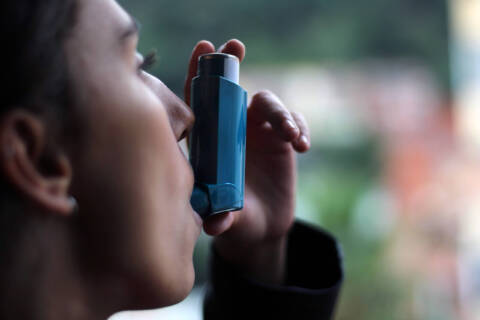
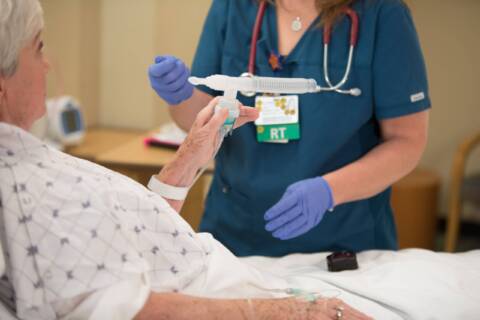
person using inhaler

Respiratory Therapists Educate Patients

Properly using breathing equipment is not always straightforward. Patients can make mistakes, like not timing their breaths with the device’s actualization, forgetting to test spray before use, holding their device incorrectly or neglecting to clean it afterward. There are also many were using their inhaler improperly. Patients may also not adhere to their pulmonary medication regimen, which can hinder their treatment’s efficacy. Inadequate inhaler techniques can lead to symptom flare-ups and complications – especially for . As patients’ primary educators in respiratory matters, respiratory therapists (RTs) are essential to ensure correct, independent inhaler usage. are handheld, pressurized aerosol canisters that propel short puffs of medication. Examples of MDIs include Albuterol and Fluticasone/Salmeterol. To use correctly, you need to shake the inhaler, test spray the canister and exhale fully before using. Inhale the medication slowly and hold your breath for five to ten seconds before exhaling. Each puff is one dose – if you need another dose, wait at least one minute prior to reuse. Holding your breath and taking adequate breaks between dosages are crucial to ensure the medication reaches your lungs. If a patient forgets to hold their breath or takes doses in rapid succession, not only could they reduce the medication’s efficacy, but they could develop a drug resistance or potentially risk an overdose in extreme scenarios.   are a novel innovation in the realm of inhaled drug therapy that’s primarily recommended for patients who have difficulty using MDIs. Instead of a brief burst through a propellant, this inhaler delivers the medication in a slow-moving soft mist to allow for slower inhalation. Other than having a longer medication inhalation period, using an SMI is essentially identical to an MDI.   Nebulizers convert liquid medication into a fine mist for inhalation. Nebulizers shouldn’t be mistaken for an SMI. Although both convert medication into a mist, SMIs are portable handheld devices, while nebulizers are electric or battery-powered machines that dispense medication through a mask or mouthpiece over a prolonged period of five to 20 minutes.   DPIs (such as Advair Diskus and Spiriva HandiHaler) are tube or disk-shaped, handheld devices that dispense medication in a powdered form. They aren’t activated through a machine or a propellant. Instead, patients take a deep breath before forcefully inhaling, pulling the powder out of the container and into their lungs and holding their breath for several seconds. Holding DPIs correctly is key to effective usage. Patients need to hold their DPI upright and level with the mouthpiece at the bottom, keeping a tight seal with their lips while inhaling.   By utilizing hands-on training with role-play and visual aids (e.g., videos, brochures, smartphone apps), as well as scheduling follow-up appointments to guarantee continued adherence, respiratory therapists maximize inhaler’s therapeutic effects with notable success. In one study, educational measures led to of asthma patients improving their inhaler techniques. Unfortunately, many nurses don’t have the knowledge or skills to adequately teach patients. One study showed that, although of participating nurses felt confident about their ability to educate, most demonstrated poor teaching abilities – especially with newer devices like SMIs. At St. Louis College of Health Careers, we thoroughly equip students with the knowledge and skills needed to excel in all aspects of their healthcare career – including educating patients. Our experienced faculty will prepare you to give patients the in-depth guidance they need to achieve sufficient breathing support.   Our comprehensive respiratory therapy bachelor’s program gives students access to a variety of learning methods, including fully online program options, allowing them to build their skills and advance their careers while working. Learn more about our or start your application by calling 866-529-2070 today.

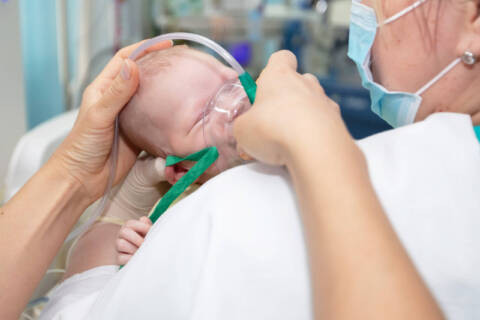
Baby with an oxygen mask

The Role of Respiratory Therapists in Supporting Premature Infants and Newborns

The first breath of a newborn is a profound moment, signifying the beginning of life. For premature infants, however, this crucial milestone can be fraught with challenges. Respiratory therapists play a pivotal role in ensuring these fragile lives can breathe and thrive. With approximately born prematurely each year in the United States, the specialized care provided by respiratory therapists is invaluable in neonatal intensive care units (NICUs). The journey of a premature infant is marked by underdeveloped lungs and respiratory systems. Surfactant, a substance vital for maintaining lung elasticity, is often absent, leading to respiratory distress syndrome (RDS). To comprehend the critical work of respiratory therapists, one must grasp the unique respiratory challenges faced by these tiny patients. In neonatal care, respiratory therapists act as vigilant guardians from the very beginning, employing their expertise to ensure early identification and assessment of respiratory issues in premature infants. Through non-invasive methods like Continuous Positive Airway Pressure (CPAP), these healthcare professionals play a crucial role in providing immediate support to help infants breathe effectively. Continuous Positive Airway Pressure (CPAP) serves as a gentle and non-invasive respiratory intervention. It involves delivering a continuous flow of air into the airways, preventing them from collapsing during exhalation. This method keeps the lungs inflated and facilitates the exchange of oxygen and carbon dioxide. These meticulous adjustments ensure that the respiratory support is tailored to the unique needs of each premature infant, promoting optimal breathing and lung development. In critical situations where premature infants face intensified respiratory challenges, respiratory therapists play an important role in managing the complexities of mechanical ventilation. Ventilators become a lifeline during these severe cases, delivering precise amounts of oxygen and aiding in the removal of carbon dioxide. This life-sustaining intervention persists until the infant’s delicate lungs mature sufficiently to manage respiration independently. Surfactant replacement therapy is often necessary for premature infants with respiratory issues, particularly those born before 32 weeks of gestation. Since premature infants often lack sufficient surfactant, respiratory therapists play a pivotal role in administering exogenous surfactant directly into the lungs through a breathing tube. This therapy not only facilitates easier breathing by reducing surface tension in the lungs but also helps prevent complications such as respiratory distress syndrome (RDS). By ensuring optimal surfactant levels, respiratory therapists contribute significantly to the overall respiratory health of premature infants, promoting better lung function and minimizing the risk of respiratory complications. The role of a respiratory therapist extends beyond immediate interventions; it requires a persistent commitment to ongoing assessment and monitoring. Crucial metrics, including respiratory rates and oxygen saturation levels, are meticulously scrutinized as part of the respiratory therapist’s commitment to the well-being of premature infants. Respiratory therapists operate with a clinical precision that allows them to adapt strategies in real time, ensuring that the respiratory support provided aligns seamlessly with the evolving needs of each infant. Respiratory therapists also work closely with neonatologists and pediatricians. By combining their specialized knowledge, these healthcare professionals create a holistic care environment for neonatal respiratory management. This collaborative effort ensures that every facet of an infant’s respiratory care is examined from various perspectives. Beyond the technical assistance they provide, respiratory therapists act as educators, guiding anxious parents through the maze of caring for a premature infant with respiratory issues. They provide crucial insights into recognizing signs of distress, understanding the equipment in use and fostering an environment conducive to the infant’s respiratory well-being and the parents’ peace of mind. This educational component empowers parents to actively participate in their child’s care journey, making them advocates for their newborn’s health. Within the clinical setting, respiratory therapists offer more than just medical expertise – they provide emotional support to worried parents. These professionals recognize that the journey of caring for a premature infant goes beyond the technical aspects of respiratory therapy. They understand the emotional strain experienced by parents, and as a result, they become a source of comfort and care. By fostering an environment of empathy, respiratory therapists help alleviate the emotional burden, providing solace and assurance to parents during a time of anxiety. In the field of neonatal care, respiratory therapists play a crucial role in supporting premature infants and newborns with respiratory challenges. Their expertise and dedication contribute significantly to the well-being of these vulnerable patients. If you’re considering a career in respiratory therapy, explore our here at the St. Louis College of Health Careers. We are devoted to preparing professionals to make a meaningful impact on patient care through extensive knowledge and compassionate service.

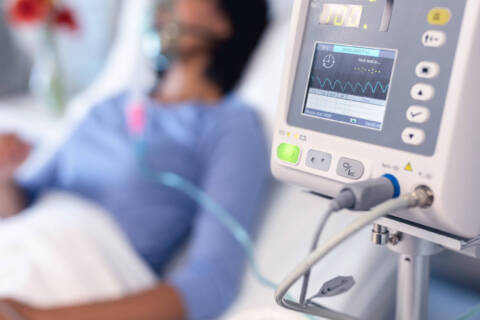
Up close image of a ventilator monitor operated by a respiratory therapist

Role of Ventilators and Respiratory Equipment in Therapy

Ventilators and other respiratory equipment is crucial in respiratory therapy, offering vital support to individuals grappling with compromised lung function. Approximately in the United States have been diagnosed with chronic obstructive pulmonary disease (COPD) – a condition often necessitating respiratory intervention. Ventilators and respiratory devices, as well as the respiratory therapists who help facilitate their use, help patients who have been diagnosed with respiratory ailments maintain comfortable, productive lives. Ventilators, often referred to as mechanical ventilators or respirators, are sophisticated devices designed to support individuals who are unable to breathe adequately on their own. In therapeutic settings, ventilators are employed for various reasons, including to combat respiratory failure, chronic respiratory conditions or during the postoperative period. These life-saving machines facilitate controlled breathing to ensure adequate oxygenation and carbon dioxide removal, supporting patients through critical phases of respiratory distress. In intensive care units, ventilators provide crucial respiratory support to patients with severe respiratory conditions. Respiratory therapists collaborate closely with healthcare teams to monitor and adjust ventilator settings, optimizing oxygen delivery and maintaining respiratory stability. The seamless integration of ventilators into critical care protocols reflects their significant role in managing acute respiratory distress and promoting patient recovery. Ventilators extend their impact beyond critical care settings, catering to individuals with chronic respiratory conditions such as chronic obstructive pulmonary disease (COPD) or neuromuscular disorders. Home ventilators empower patients to manage their respiratory health in familiar environments, enhancing overall quality of life. Respiratory therapists play a vital role in educating patients and caregivers on the proper use of home ventilators, ensuring optimal functionality and patient comfort. Non-invasive ventilation (NIV) methods, including bilevel positive airway pressure (BiPAP) and continuous positive airway pressure (CPAP), represent innovative approaches to respiratory therapy. These techniques provide respiratory support without the need for intubation, making them valuable for conditions such as sleep apnea and certain forms of respiratory failure. Respiratory therapists must be able to adeptly navigate the nuances of non-invasive ventilation and understand how their use can be tailored to individual patient needs. Beyond ventilators, a spectrum of respiratory equipment contributes to pulmonary rehabilitation programs. Incentive spirometers, positive expiratory pressure (PEP) devices and nebulizers are among the arsenal of devices employed by respiratory therapists to enhance lung function and promote respiratory wellness. These tools, integrated into comprehensive rehabilitation plans, empower patients to actively participate in their journey toward improved respiratory health. Modern, compact portable oxygen concentrators represent a revolutionary advancement in respiratory therapy, offering individuals with chronic respiratory conditions the freedom to engage in daily activities while receiving supplemental oxygen. Modern variations don’t require the heavy, high-pressure oxygen cylinders required in decades past. Respiratory therapists can guide patients in selecting and using portable oxygen concentrators, ensuring optimal oxygen delivery and promoting mobility and independence. Respiratory therapists actively engage in ventilator weaning protocols, guiding patients through the transition from mechanical ventilation to independent breathing. This nuanced process involves gradual adjustments to ventilator settings, coupled with respiratory exercises and monitoring. The goal is to facilitate a smooth transition, allowing patients to regain respiratory function and reduce dependence on mechanical support. Advancements in respiratory therapy technology continue to shape the landscape of patient care. High-frequency oscillatory ventilation (HFOV), extracorporeal membrane oxygenation (ECMO) and adaptive support ventilation (ASV) represent cutting-edge approaches that provide tailored solutions for diverse respiratory challenges. Respiratory therapists embrace these innovations, leveraging technology to optimize patient outcomes. Respiratory therapists, as integral members of healthcare teams, are at the forefront of providing specialized care to patients with respiratory issues. Their expertise encompasses the selection and application of respiratory equipment, monitoring patient responses and adjusting treatment plans to meet individual needs. Beyond technical proficiency, respiratory therapists must also serve as educators, guiding patients and their families on the proper use of equipment and promoting respiratory health awareness. The utilization of ventilators, CPAP machines, portable oxygen concentrators and other respiratory equipment in respiratory therapy requires specialized healthcare professionals. The good news for many students is that they can gain the skills to operate these devices to enhance the lives of patients without attending expensive medical schools or participating in lengthy residencies. If you’re considering a career in opportunities at the St. Louis College of Health Careers. Call (866) 529-2070 to embark on a journey toward making a meaningful impact on the lives of patients in need of respiratory therapy.

a patient is using a post op lung breathing device

The Role of Respiratory Therapists in Post-Lung Surgery Care

The journey to recovery after a lung surgery doesn’t end in the operating room. Respiratory therapists, with their specialized knowledge and skills, become integral partners in postoperative care, guiding patients through the delicate post-surgical recovery process of restoring optimal lung function. Lung surgeries can bring about various respiratory challenges, including reduced lung capacity, impaired gas exchange and altered breathing patterns. must conduct a thorough assessment to identify specific postoperative complications and tailor interventions to address individual patient needs. This nuanced approach ensures that the care provided is not only effective but also precisely aligned with the patient’s unique respiratory profile. Early mobilization is a key component of post-lung surgery care. Respiratory therapists collaborate with interdisciplinary teams to implement personalized breathing exercises and mobilization plans. These exercises aim to prevent complications such as atelectasis and pneumonia, fostering lung expansion and promoting the clearance of respiratory secretions. By initiating early and targeted interventions, respiratory therapists contribute significantly to minimizing postoperative respiratory complications. In cases where mechanical ventilation is necessary post-surgery, respiratory therapists may be called on to optimize ventilator management. Their expertise in adjusting ventilator settings, monitoring respiratory parameters and ensuring patient-ventilator synchrony plays a critical role in supporting patients through the initial phases of recovery. Precise management not only enhances oxygenation but also facilitates the weaning process, nursing patients toward breathing independently. Recognizing that each patient’s journey to recovery is unique, respiratory therapists collaborate with other healthcare professionals to develop personalized care plans. These plans encompass ongoing respiratory assessments, pulmonary rehabilitation programs and lifestyle modifications that support patients in regaining independence and restoring quality of life post-lung surgery. By tailoring care to individual needs, respiratory therapists contribute to a holistic and patient-centered approach to recovery. Respiratory therapists serve as educators, empowering patients with the knowledge and skills needed for self-management. They provide guidance on breathing techniques, medication adherence and lifestyle modifications that promote respiratory health. This education empowers patients to actively participate in their recovery journey and gives them a sense of control and confidence as they navigate the postoperative period. In the dynamic landscape of post-lung surgery recovery, respiratory therapists remain vigilant in monitoring for potential complications. Whether it be identifying signs of respiratory distress, managing infections or addressing complications related to surgical procedures, their proactive approach ensures timely intervention and minimizes the impact of unforeseen challenges on the recovery process. Beyond the physical aspects of recovery, respiratory therapists need to be able to recognize and empathize with the emotional toll that lung surgeries can take on patients. They provide empathetic support, addressing concerns, alleviating anxiety and creating a positive mindset conducive to healing. This holistic approach acknowledges the interconnectedness of physical and emotional well-being in the recovery journey. Respiratory therapists play a crucial role in facilitating comprehensive pulmonary rehabilitation programs for post-lung surgery patients. These programs encompass a spectrum of exercises, breathing techniques and lifestyle adjustments designed to enhance lung function and improve overall respiratory health. By tailoring these programs to individual patient needs, therapists contribute to sustained recovery and improved long-term outcomes. Effective postoperative care requires seamless collaboration among healthcare professionals. Respiratory therapists actively engage with multidisciplinary teams, including surgeons, nurses and physical therapists, to ensure a cohesive and coordinated approach to patient care. This collaborative effort addresses diverse aspects of recovery, leading to comprehensive support for individuals undergoing lung surgeries. In certain cases, advanced respiratory interventions may be necessary to address specific postoperative challenges. Respiratory therapists bring expertise in techniques such as chest physiotherapy, positive airway pressure and nebulized medications, tailoring these interventions to optimize lung function. When it comes to post-lung surgery care, respiratory therapists stand as dedicated advocates for patients. Through personalized care plans, education and a commitment to addressing both physical and emotional aspects of recovery, respiratory therapists can play an indispensable role in guiding patients toward a successful and fulfilling postoperative outcome. If you’re considering a career in respiratory therapy, St. Louis College of Health Careers is here for you. Our degree programs equip students with the knowledge and skills needed to make a meaningful impact in the field of respiratory therapy. Call today at (866) 529-2070 to explore the opportunities that await you in this rewarding profession.

A female nurse and an child are in the medical room and both are giving a thumbs up

Is Nursing or Respiratory Therapy More Challenging

Nurses and respiratory therapists work together in critical care. Both professionals must be capable of rapid and informed decision-making, as they need to respond quickly to emergencies and make crucial decisions regarding the best course of action for the patient’s health. While they have similarities, nursing and respiratory therapy ultimately offer starkly different paths for prospective students, especially in their educational requirements. Education options for nurses, which range from – equips individuals with the skills to diagnose, treat and manage patients with respiratory conditions or those in active respiratory distress. Ultimately, both programs will be rigorous – with one offering a broad medical education and the other focused on a specific subset of patient care. Because many nurses care for a more general population of patients, they need to have a deep understanding of multiple medical specialties, be capable of filling a variety of roles in healthcare settings and be able to adapt quickly to changing situations. A patient’s life may depend on their nurse’s critical thinking skills, as nurses are relied upon to assess patients, identify any number of potential complications and implement appropriate interventions on a case-by-case basis. Many of the challenges of being a nurse also apply to respiratory therapists, but while nurses need to be knowledgeable of countless conditions, the latter needs to be an expert specifically in cardiopulmonary issues, particularly lung function. Respiratory therapists need to possess in-depth knowledge of the respiratory system, lung diseases and various treatment modalities. Understanding complex pulmonary conditions and staying updated on advancements in respiratory care is crucial to helping patients breathe. Respiratory therapists often work with critically ill patients who may require life-saving interventions, such as mechanical ventilation. The responsibility of managing ventilators and adjusting settings to optimize patient outcomes is a significant challenge because, if not done correctly, patients could easily lose their lives. A thorough education will prepare you for whichever medical career you choose. Start your educational journey today with a school that understands the necessity of a comprehensive yet flexible education. St. Louis College of Health Careers’ degrees are tailored to give students the expertise they need to diagnose a patient’s condition, plan and implement a treatment plan and evaluate the results. We’ll teach the skills and knowledge you need to pass relevant certification exams and enter your chosen profession. Call 866-529-2070 today to learn more about our course offerings and start your application.

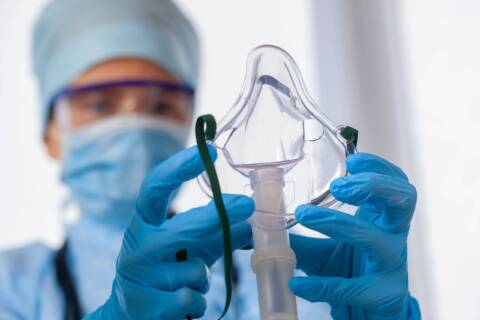
A close up of a respiratory therapist with gloves on and is holding a respiratory mask

Essential Skills Respiratory Therapists Should Possess

Respiratory therapists evaluate and treat a wide range of respiratory conditions, including asthma, chronic obstructive pulmonary disease (COPD) and respiratory distress syndrome. They work closely with medical teams to develop and implement treatment plans, administer medications and operate medical equipment such as ventilators and oxygen therapy devices. You’ll need to obtain at least an in respiratory therapy for those seeking supervisory roles as respiratory therapists. Receiving credentials as a Certified Respiratory Therapist (CRT) or Registered Respiratory Therapist (RRT) can broaden your job prospects and will make you a more attractive job candidate to many Missouri healthcare employers. You can also pursue certifications in specialized areas such as neonatal or pediatric care. The headliner in the respiratory therapist’s tool bag is undoubtedly the ventilator. Ventilators push air into the lungs of patients who are having difficulty breathing on their own. The need to adjust ventilators and monitor patients on ventilators for signs of distress makes respiratory therapists vital specialists in all types of critical care settings. Some liquid medicines are formulated to be converted into a mist that can be inhaled by patients. These medications are, unsurprisingly, designed to be administered directly into lungs, often for the treatment of asthma or chronic obstructive pulmonary disease (COPD). Respiratory therapists should be highly skilled in properly dosing and administering nebulizer treatments, as well as teaching patients how to properly use at-home versions of the treatment. Testing lung function is a basic early step in accurately diagnosing the respiratory issues of patients seeking care. Respiratory therapists perform these tests using PFT devices, which allow them to accurately measure a patient’s ability to breathe in and release air. Another tool, the plethysmograph, measures lung volume. Respiratory therapists operate these devices and interpret the results, providing a critical diagnostic link between the patient and the physician. Certain conditions lead to mucus build-up in the lungs. Devices such as percussors and vibrators are used to perform chest physiotherapy, helping to loosen and remove secretions from the respiratory tract. The therapist may also use postural drainage techniques, positioning the patient in specific ways to facilitate mucus removal. For patients unable to clear their airways, RTs use suction devices. These can be vital in emergency situations or post-operative care when patients might have excess secretions or foreign matter blocking their airways. These devices are used to monitor the concentration of gases (like carbon dioxide) in patients’ exhaled air and the oxygen saturation in the blood, respectively. By providing real-time data, they allow RTs to adjust treatments and respond to emergencies swiftly. In certain emergencies, maintaining an open airway is critical. Tools such as endotracheal tubes, laryngoscopes and bronchoscopes can be used to either establish an airway or to visualize and examine the bronchial passages.

respiratory therapist working with patient in St. Louis

Respiratory Therapist Versus Respiratory Technician

If you’re considering a career in healthcare but aren’t sure which path to pursue, respiratory care may be worth exploring. Respiratory care is a specialized area of healthcare that focuses on the evaluation, treatment and management of patients with respiratory disorders and conditions, such as asthma, pneumonia or cystic fibrosis. There are two distinct positions within the field of respiratory therapy: respiratory therapist and respiratory technician. While these roles share similarities, they also have key differences in terms of duties, salary and education requirements. When choosing between these career paths, consider your interests, educational goals and desired level of responsibility. Whether you decide to become a respiratory therapist or a respiratory technician, rest assured you will be making a meaningful contribution to improving the respiratory health and quality of life for patients. Respiratory therapists fulfill an important function by providing essential support to individuals experiencing respiratory challenges. Their main tasks encompass evaluating patients, performing diagnostic assessments, formulating and executing treatment strategies, administering prescribed medications and overseeing patient advancement. Collaboration with physicians and allied healthcare personnel is integral to a respiratory therapist’s practice. Moreover, respiratory therapy professionals are trained to respond to urgent situations, including interventions like intubation assistance and ventilator management. Respiratory technicians, also known as respiratory care practitioners or respiratory therapy technicians, work under the supervision of a respiratory therapist or physician. The role focuses more on assisting in the delivery of respiratory treatments and therapies rather than designing treatment plans. Respiratory technicians perform tasks such as administering oxygen, monitoring patient vital signs, conducting basic lung function tests and ensuring the proper functioning of respiratory equipment. They also provide patient education on respiratory care techniques and assist with routine respiratory procedures. Because of their greater level of responsibility, respiratory therapists typically earn a higher income compared to respiratory technicians. The mean annual wage for respiratory therapists in the United States is around $74,310, according to the . Keep in mind, salaries can vary depending on factors such as education, experience, geographic location and the healthcare setting in which one works. Respiratory technicians generally earn a lower salary than respiratory therapists, with a median annual wage of approximately . To become a respiratory therapist, a minimum of an associate degree is required. However, many respiratory therapy programs now offer as well. These programs typically include coursework in anatomy, physiology, pharmacology, patient assessment, respiratory care procedures and clinical rotations. After completing the degree program, aspiring respiratory therapists must obtain a license or certification, which involves passing a national examination. As an SLCHC graduate, you’re eligible to apply for and earn the Registered Respiratory Therapist (RRT) credential upon completing our RT or bachelor’s degree program. Aspiring respiratory technicians can enter the field with a postsecondary certificate or an associate degree in respiratory care. These programs provide training in the foundational knowledge and skills required to assist respiratory therapists in patient care. Coursework generally covers topics like respiratory therapy fundamentals, patient monitoring, medical terminology and basic clinical procedures. While certification is not mandatory for respiratory technicians, obtaining certification, such as the Registered Respiratory Therapist (RRT) credential, can enhance employment prospects and professional growth. Are you drawn to serving others in a healthcare setting, but going to university for four to six years just isn’t an option? At SLCHC, we offer fully accredited RT programs that combine hands-on practice with academic coursework to quickly prepare you for a rewarding career. We understand that pursuing a degree while managing other responsibilities can be challenging. That’s why our are designed to be flexible, with both full-time and part-time options available. We strive to provide a supportive learning environment that helps you balance your education with other commitments. To begin your healthcare education, call us today at 866-529-2070.

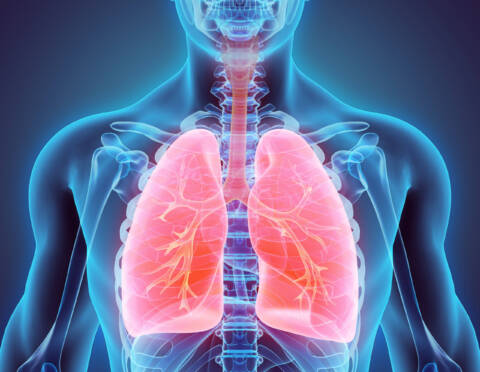
3D illustration of Lungs - Part of Human Organic.

Foods that Can Weaken the Respiratory System

The human respiratory system includes the nose, throat, lungs and diaphragm. The main functions of the respiratory system are to transport air in the lungs to oxygenate blood and expelling carbon dioxide. It also helps protect the body against harmful particles that are inhaled. There are many diseases that can affect the respiratory system, including infections such as the common cold, flu, pneumonia, chronic obstructive pulmonary disease (COPD) and lung cancer. People prone to infections or those with lung disease or cancer should be especially mindful of their diet as eating certain foods can have negative effects on lung function and the respiratory system. Conversely, there are several foods that can have a positive impact on respiratory health. Including these foods in your diet can help keep respiratory disease symptoms at bay and help you live a healthy life. Did you know there’s an entire profession within the healthcare field dedicated to treating patients who have difficulty breathing? Respiratory Therapy is a medical specialty that deals with the diagnosis and treatment of disorders of the respiratory system. This includes the lungs, airways and chest wall. Respiratory therapists work with patients of all ages who have a variety of conditions, including asthma, cystic fibrosis and pneumonia. They may be responsible for the assessment, diagnosis and treatment of patients with breathing disorders. Respiratory therapists may also be responsible for educating patients and their families on how to manage their conditions. If you’ve been exploring the possibility of a stable and rewarding healthcare career without spending a lot of time and money pursuing medical school, becoming a respiratory therapist may be a great fit for you. The job outlook for respiratory therapists is good, with projecting that the number of respiratory therapist jobs will grow by 14 percent from 2021 to 2031. The median salary for respiratory therapists is $61,830. If you’re interested in helping people breathe easier, consider a career as a respiratory therapist. RTs work in a variety of settings, including hospitals, long-term care facilities and home health care. To become a respiratory therapist, you’ll need at least an . At SLCHC, our accredited RT program equips you with a strong academic background and hands-on experience to become a competent and highly sought-after respiratory therapist. To learn more, call 866-529-2070 or .