
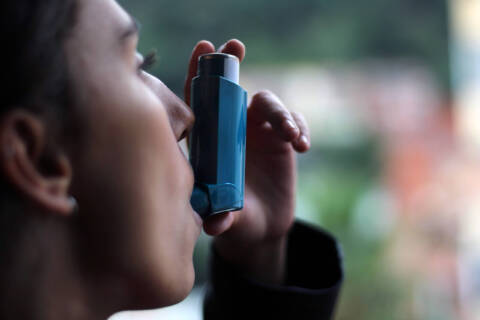
person using inhaler

Respiratory Therapists Educate Patients

Properly using breathing equipment is not always straightforward. Patients can make mistakes, like not timing their breaths with the device’s actualization, forgetting to test spray before use, holding their device incorrectly or neglecting to clean it afterward. There are also many were using their inhaler improperly. Patients may also not adhere to their pulmonary medication regimen, which can hinder their treatment’s efficacy. Inadequate inhaler techniques can lead to symptom flare-ups and complications – especially for . As patients’ primary educators in respiratory matters, respiratory therapists (RTs) are essential to ensure correct, independent inhaler usage. are handheld, pressurized aerosol canisters that propel short puffs of medication. Examples of MDIs include Albuterol and Fluticasone/Salmeterol. To use correctly, you need to shake the inhaler, test spray the canister and exhale fully before using. Inhale the medication slowly and hold your breath for five to ten seconds before exhaling. Each puff is one dose – if you need another dose, wait at least one minute prior to reuse. Holding your breath and taking adequate breaks between dosages are crucial to ensure the medication reaches your lungs. If a patient forgets to hold their breath or takes doses in rapid succession, not only could they reduce the medication’s efficacy, but they could develop a drug resistance or potentially risk an overdose in extreme scenarios.   are a novel innovation in the realm of inhaled drug therapy that’s primarily recommended for patients who have difficulty using MDIs. Instead of a brief burst through a propellant, this inhaler delivers the medication in a slow-moving soft mist to allow for slower inhalation. Other than having a longer medication inhalation period, using an SMI is essentially identical to an MDI.   Nebulizers convert liquid medication into a fine mist for inhalation. Nebulizers shouldn’t be mistaken for an SMI. Although both convert medication into a mist, SMIs are portable handheld devices, while nebulizers are electric or battery-powered machines that dispense medication through a mask or mouthpiece over a prolonged period of five to 20 minutes.   DPIs (such as Advair Diskus and Spiriva HandiHaler) are tube or disk-shaped, handheld devices that dispense medication in a powdered form. They aren’t activated through a machine or a propellant. Instead, patients take a deep breath before forcefully inhaling, pulling the powder out of the container and into their lungs and holding their breath for several seconds. Holding DPIs correctly is key to effective usage. Patients need to hold their DPI upright and level with the mouthpiece at the bottom, keeping a tight seal with their lips while inhaling.   By utilizing hands-on training with role-play and visual aids (e.g., videos, brochures, smartphone apps), as well as scheduling follow-up appointments to guarantee continued adherence, respiratory therapists maximize inhaler’s therapeutic effects with notable success. In one study, educational measures led to of asthma patients improving their inhaler techniques. Unfortunately, many nurses don’t have the knowledge or skills to adequately teach patients. One study showed that, although of participating nurses felt confident about their ability to educate, most demonstrated poor teaching abilities – especially with newer devices like SMIs. At St. Louis College of Health Careers, we thoroughly equip students with the knowledge and skills needed to excel in all aspects of their healthcare career – including educating patients. Our experienced faculty will prepare you to give patients the in-depth guidance they need to achieve sufficient breathing support.   Our comprehensive respiratory therapy bachelor’s program gives students access to a variety of learning methods, including fully online program options, allowing them to build their skills and advance their careers while working. Learn more about our or start your application by calling 866-529-2070 today.
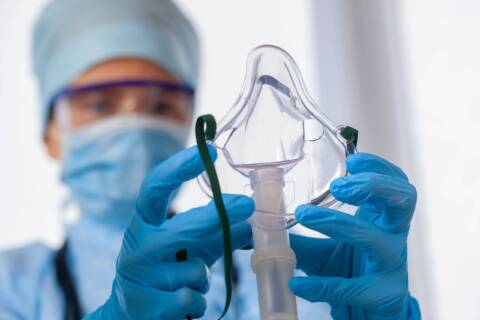
A close up of a respiratory therapist with gloves on and is holding a respiratory mask

Essential Skills Respiratory Therapists Should Possess

Respiratory therapists evaluate and treat a wide range of respiratory conditions, including asthma, chronic obstructive pulmonary disease (COPD) and respiratory distress syndrome. They work closely with medical teams to develop and implement treatment plans, administer medications and operate medical equipment such as ventilators and oxygen therapy devices. You’ll need to obtain at least an in respiratory therapy for those seeking supervisory roles as respiratory therapists. Receiving credentials as a Certified Respiratory Therapist (CRT) or Registered Respiratory Therapist (RRT) can broaden your job prospects and will make you a more attractive job candidate to many Missouri healthcare employers. You can also pursue certifications in specialized areas such as neonatal or pediatric care. The headliner in the respiratory therapist’s tool bag is undoubtedly the ventilator. Ventilators push air into the lungs of patients who are having difficulty breathing on their own. The need to adjust ventilators and monitor patients on ventilators for signs of distress makes respiratory therapists vital specialists in all types of critical care settings. Some liquid medicines are formulated to be converted into a mist that can be inhaled by patients. These medications are, unsurprisingly, designed to be administered directly into lungs, often for the treatment of asthma or chronic obstructive pulmonary disease (COPD). Respiratory therapists should be highly skilled in properly dosing and administering nebulizer treatments, as well as teaching patients how to properly use at-home versions of the treatment. Testing lung function is a basic early step in accurately diagnosing the respiratory issues of patients seeking care. Respiratory therapists perform these tests using PFT devices, which allow them to accurately measure a patient’s ability to breathe in and release air. Another tool, the plethysmograph, measures lung volume. Respiratory therapists operate these devices and interpret the results, providing a critical diagnostic link between the patient and the physician. Certain conditions lead to mucus build-up in the lungs. Devices such as percussors and vibrators are used to perform chest physiotherapy, helping to loosen and remove secretions from the respiratory tract. The therapist may also use postural drainage techniques, positioning the patient in specific ways to facilitate mucus removal. For patients unable to clear their airways, RTs use suction devices. These can be vital in emergency situations or post-operative care when patients might have excess secretions or foreign matter blocking their airways. These devices are used to monitor the concentration of gases (like carbon dioxide) in patients’ exhaled air and the oxygen saturation in the blood, respectively. By providing real-time data, they allow RTs to adjust treatments and respond to emergencies swiftly. In certain emergencies, maintaining an open airway is critical. Tools such as endotracheal tubes, laryngoscopes and bronchoscopes can be used to either establish an airway or to visualize and examine the bronchial passages.

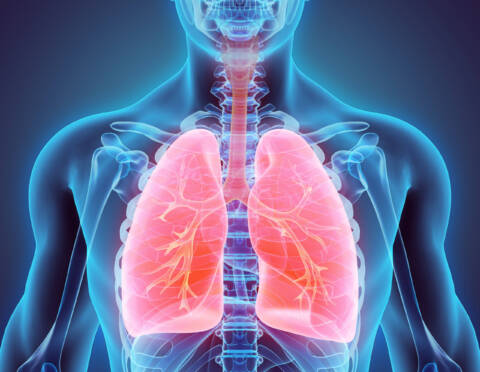
3D illustration of Lungs - Part of Human Organic.

Foods that Can Weaken the Respiratory System

The human respiratory system includes the nose, throat, lungs and diaphragm. The main functions of the respiratory system are to transport air in the lungs to oxygenate blood and expelling carbon dioxide. It also helps protect the body against harmful particles that are inhaled. There are many diseases that can affect the respiratory system, including infections such as the common cold, flu, pneumonia, chronic obstructive pulmonary disease (COPD) and lung cancer. People prone to infections or those with lung disease or cancer should be especially mindful of their diet as eating certain foods can have negative effects on lung function and the respiratory system. Conversely, there are several foods that can have a positive impact on respiratory health. Including these foods in your diet can help keep respiratory disease symptoms at bay and help you live a healthy life. Did you know there’s an entire profession within the healthcare field dedicated to treating patients who have difficulty breathing? Respiratory Therapy is a medical specialty that deals with the diagnosis and treatment of disorders of the respiratory system. This includes the lungs, airways and chest wall. Respiratory therapists work with patients of all ages who have a variety of conditions, including asthma, cystic fibrosis and pneumonia. They may be responsible for the assessment, diagnosis and treatment of patients with breathing disorders. Respiratory therapists may also be responsible for educating patients and their families on how to manage their conditions. If you’ve been exploring the possibility of a stable and rewarding healthcare career without spending a lot of time and money pursuing medical school, becoming a respiratory therapist may be a great fit for you. The job outlook for respiratory therapists is good, with projecting that the number of respiratory therapist jobs will grow by 14 percent from 2021 to 2031. The median salary for respiratory therapists is $61,830. If you’re interested in helping people breathe easier, consider a career as a respiratory therapist. RTs work in a variety of settings, including hospitals, long-term care facilities and home health care. To become a respiratory therapist, you’ll need at least an . At SLCHC, our accredited RT program equips you with a strong academic background and hands-on experience to become a competent and highly sought-after respiratory therapist. To learn more, call 866-529-2070 or .